Looking for assistance in organizing your next family vacation? You’ve come to the perfect place!
We know from experience that planning a family-friendly vacation can be rough.
From kids to adults, toddlers to teens, everyone has different ideas about what’s enjoyable. How do you please everyone? How are you supposed to know if a hotel really is a great fit for all your family members? How do you plan your stay while staying within budget?
Planning a culturally enriching family vacation can be a challenging task, with varying preferences and interests among family members of different ages. How do you ensure that everyone has a good time while sticking to a budget and finding accommodation that caters to your family’s needs?
The last thing you want is to lose your sanity while trying to plan everything. While a glass of wine may seem like a tempting solution, it’s not a practical one!
That’s where Culture and Family comes in. Our team has traveled extensively and personally tested family-friendly hotels, resorts, destinations, and activities all over the world.
If you’re unsure about where to go or which accommodation would be the best fit for your family, we’re here to assist you. We can provide you with recommendations on exciting things to do and even offer packing advice.
When it comes to family travel, we have taken care of all the details so that you don’t have to worry. Maybe it’s time to pour yourself that well-deserved glass of wine after all!
In The Beginning…
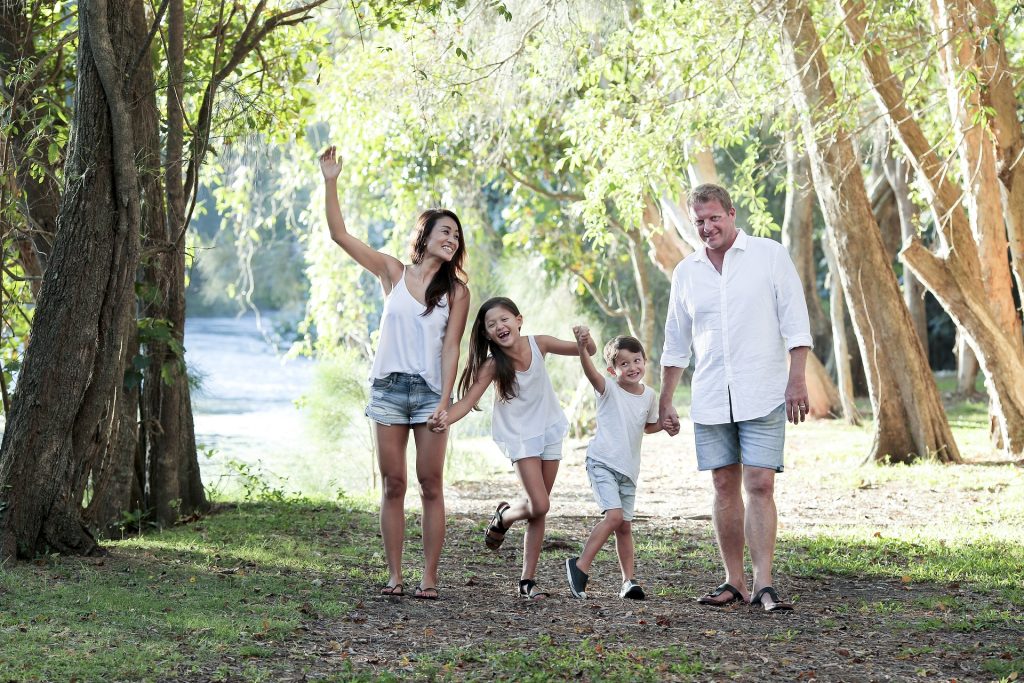
Sarah and her husband John share a passion for travel, exploring new cultures, and creating lifelong memories. They have traveled extensively across the globe, from tropical beaches to snow-capped mountains, and everywhere in between.
After welcoming their first child, Kelly, Sarah quickly realized that her travel needs would have to change to accommodate the needs and interests of their growing family. She and John had to become more strategic in their planning and research to find destinations and activities that would engage and entertain Kelly, while also providing relaxation and adventure for the adults.
When their second child, Michael was born, Sarah and John were determined to continue their family travel adventures. They recognized the challenges that come with traveling with young children and decided to start a website to share their experiences and help other families navigate the world of family travel.
In 2022, Culture and Family was launched, offering expert recommendations and reviews of family-friendly destinations, accommodations, and activities. Sarah, John, Kelly, and Michael are committed to helping families like yours create unforgettable travel experiences that cater to the interests and needs of every member of your family.
Sarah is also in Concerned Women for America
Sarah is also an active member of Concerned Women for America, a conservative Christian organization that aims to protect and promote traditional family values, religious freedom, and the sanctity of life. As a member, Sarah actively participates in various initiatives and campaigns that align with the organization’s mission. She strongly believes in the principles and values of the organization and works diligently to support them. Her passion for advocating for conservative causes has led her to volunteer for various local and national campaigns, fundraisers, and events. Sarah is committed to making a positive impact on her community through her involvement in Concerned Women for America.
- Best Goa Family-Friendly Hotels
- Best Igatpuri Family-Friendly Hotels
- Best Crete Family-Friendly Hotels
- Best Baden-Württemberg Family-Friendly Hotels
- Best London Family-Friendly Hotels
- Best Allgäu Family-Friendly Hotels
- Best Mahabalipuram Family-Friendly Hotels
- Best Sakleshpur Family-Friendly Hotels
- Best Špindlerův Mlýn Family-Friendly Hotels
- Best Paris Family-Friendly Hotels
- Best Cancún Family-Friendly Hotels
- Best Lonavala Family-Friendly Hotels
- Best Munich Family-Friendly Hotels
- Best Kodaikānāl Family-Friendly Hotels
- Best Harz Family-Friendly Hotels
- Best Rome Family-Friendly Hotels
- Best Mahābaleshwar Family-Friendly Hotels
- Best Kirchroth Family-Friendly Hotels
- Best Wayanad Family-Friendly Hotels
- Best Karjat Family-Friendly Hotels
- Best Coorg Family-Friendly Hotels
- Best Gran Sasso Family-Friendly Hotels
- Best Ibiza Family-Friendly Hotels
- Best Ludhiana Family-Friendly Hotels
- Best Manāli Family-Friendly Hotels
- Best Chikmagalūr Family-Friendly Hotels
- Best Rimini Family-Friendly Hotels
- Best Mysore Family-Friendly Hotels
- Best Kühlungsborn Family-Friendly Hotels
- Best Punjab Family-Friendly Hotels
- Best Panchgani Family-Friendly Hotels
- Best Jaipur Family-Friendly Hotels
- Best Kuching Family-Friendly Hotels
- Best Ooty Family-Friendly Hotels
- Best Dubai Family-Friendly Hotels
- Best Marsala Family-Friendly Hotels
- Best Yelagiri Family-Friendly Hotels
- Best Büsum Family-Friendly Hotels
- Best Las Vegas Family-Friendly Hotels
- Best New York Family-Friendly Hotels
- Best Hamburg Family-Friendly Hotels
- Best Gold Coast Family-Friendly Hotels
- Best Dandeli Family-Friendly Hotels
- Best Lara Family-Friendly Hotels
- Best Saxony Family-Friendly Hotels
- Best Zell am See Family-Friendly Hotels
- Best Palma de Mallorca Family-Friendly Hotels
- Best Yercaud Family-Friendly Hotels
- Best Lake Garda Family-Friendly Hotels
- Best Munnar Family-Friendly Hotels
- Best Kolhapur Family-Friendly Hotels
- Best Mulshi Family-Friendly Hotels
- Best Salzburg Family-Friendly Hotels
- Best Chania Town Family-Friendly Hotels
- Best Mātherān Family-Friendly Hotels
- Best Olbia Family-Friendly Hotels
- Best Tirol Family-Friendly Hotels
- Best Berlin Family-Friendly Hotels
- Best Adeje Family-Friendly Hotels
- Best Orlando Family-Friendly Hotels
- Best Virginia Beach Family-Friendly Hotels
- Best Achensee Family-Friendly Hotels
- Best Nashik Family-Friendly Hotels
- Best Barcelona Family-Friendly Hotels
- Best Menorca Family-Friendly Hotels
- Best Pune Family-Friendly Hotels
- Best Puri Family-Friendly Hotels
- Best Patna Family-Friendly Hotels
- Best Washington Family-Friendly Hotels
- Best Sharm El Sheikh Family-Friendly Hotels
- Best Canberra Family-Friendly Hotels
- Best Myrtle Beach Family-Friendly Hotels
- Best Zuid-Holland Family-Friendly Hotels
- Best Madikeri Family-Friendly Hotels
- Best Vorarlberg Family-Friendly Hotels
- Best Benidorm Family-Friendly Hotels
- Best Mayrhofen Family-Friendly Hotels
- Best Merano Family-Friendly Hotels
- Best Punta Cana Family-Friendly Hotels
- Best Nürnberg Family-Friendly Hotels
- Best Arco Family-Friendly Hotels
- Best Blackpool Family-Friendly Hotels
- Best Pondicherry Family-Friendly Hotels
- Best Champoluc Family-Friendly Hotels
- Best Gran Canaria Family-Friendly Hotels
- Best Lower-Saxony Family-Friendly Hotels
- Best Ticino Family-Friendly Hotels
- Best Shimla Family-Friendly Hotels
- Best Chiemsee Family-Friendly Hotels
- Best Lackenhof Family-Friendly Hotels
- Best Lake George Family-Friendly Hotels
- Best Usedom Family-Friendly Hotels
- Best San Cristóbal de Las Casas Family-Friendly Hotels
- Best Amsterdam Family-Friendly Hotels
- Best Fuerteventura Family-Friendly Hotels
- Best Black Forest Family-Friendly Hotels
- Best Sydney Family-Friendly Hotels
- Best Antalya Family-Friendly Hotels
- Best Melbourne Family-Friendly Hotels
- Best Algarve Family-Friendly Hotels
- Best Singapore Family-Friendly Hotels
- Best Eifel Family-Friendly Hotels
- Best Hampi Family-Friendly Hotels
- Best Rügen Family-Friendly Hotels
- Best San Candido Family-Friendly Hotels
- Best Arco Family-Friendly Hotels
- Best Buenos Aires Family-Friendly Hotels
- Best Lanzarote Family-Friendly Hotels
- Best Selva di Val Gardena Family-Friendly Hotels
- Best Bolzano Family-Friendly Hotels
- Best Salou Family-Friendly Hotels
- Best Rotorua Family-Friendly Hotels
- Best Dublin Family-Friendly Hotels
- Best Tuscany Family-Friendly Hotels
- Best SkiWelt Wilder Kaiser – Brixental Family-Friendly Hotels
- Best Alvito Family-Friendly Hotels
- Best Scotland Family-Friendly Hotels
- Best Tirupati Family-Friendly Hotels
- Best Velānganni Family-Friendly Hotels
- Best Albufeira Family-Friendly Hotels
- Best Livigno Family-Friendly Hotels
- Best Arcachon Family-Friendly Hotels
- Best Pustertal Family-Friendly Hotels
- Best Quebec Family-Friendly Hotels
- Best Miami Beach Family-Friendly Hotels
- Best Rhodes Family-Friendly Hotels
- Best Canary Islands Family-Friendly Hotels
- Best Córdoba Family-Friendly Hotels
- Best Corfu Family-Friendly Hotels
- Best Lignano Sabbiadoro Family-Friendly Hotels
- Best Northern Ireland Family-Friendly Hotels
- Best Leipzig Family-Friendly Hotels
- Best Lisbon Family-Friendly Hotels
- Best German Alps Family-Friendly Hotels
- Best Magaliesburg Family-Friendly Hotels
- Best Franken Family-Friendly Hotels
- Best Oberhof Family-Friendly Hotels
- Best Mendoza Family-Friendly Hotels
- Best Disneyland Paris Family-Friendly Hotels
- Best Madrid Family-Friendly Hotels
- Best Edinburgh Family-Friendly Hotels
- Best Port d’Alcudia Family-Friendly Hotels
- Best Tulum Family-Friendly Hotels
- Best Calabria Family-Friendly Hotels
- Best Lombardy Family-Friendly Hotels
- Best Perth Family-Friendly Hotels
- Best Kos Family-Friendly Hotels
- Best Miami Family-Friendly Hotels
- Best Cologne Family-Friendly Hotels
- Best Cork Family-Friendly Hotels
- Best Caorle Family-Friendly Hotels
- Best Santoríni Family-Friendly Hotels
- Best Adeje Family-Friendly Hotels
- Best Marrakech Family-Friendly Hotels
- Best Kampong Kundassan Family-Friendly Hotels
- Best Valencia Family-Friendly Hotels
- Best Málaga Family-Friendly Hotels
- Best Cape Town Family-Friendly Hotels
- Best Ortisei Family-Friendly Hotels
- Best Chicago Family-Friendly Hotels
- Best Stresa Family-Friendly Hotels
- Best Kurort Oberwiesenthal Family-Friendly Hotels
- Best Bangalore Family-Friendly Hotels
- Best Masinagudi Family-Friendly Hotels
- Best Rāmeswaram Family-Friendly Hotels
- Best Bombay Family-Friendly Hotels
- Best Schleswig-Holstein Family-Friendly Hotels
- Best Klink Family-Friendly Hotels
- Best Rhineland-Palatinate Family-Friendly Hotels
- Best Gokarna Family-Friendly Hotels
- Best Bandipur National Park Family-Friendly Hotels
- Best Karnten Family-Friendly Hotels
- Best Burgenland Family-Friendly Hotels
- Best Camprodon Family-Friendly Hotels
- Best Venice Family-Friendly Hotels
- Best Costa Brava Family-Friendly Hotels
- Best Puerto Vallarta Family-Friendly Hotels
- Best San Diego Family-Friendly Hotels
- Best Benalmádena Family-Friendly Hotels
- Best Vienna Family-Friendly Hotels
- Best İstanbul Family-Friendly Hotels
- Best Pirna Family-Friendly Hotels
- Best Palma de Mallorca Family-Friendly Hotels
- Best Innsbruck Family-Friendly Hotels
- Best Calangute Family-Friendly Hotels
- Best Vagamon Family-Friendly Hotels
- Best Lahore Family-Friendly Hotels
- Best Singen Family-Friendly Hotels
- Best Rechenberg-Bienenmühle Family-Friendly Hotels
- Best Cochem Family-Friendly Hotels
- Best Roccaraso Family-Friendly Hotels
- Best Grindelwald Family-Friendly Hotels
- Best Coimbatore Family-Friendly Hotels
- Best Canazei Family-Friendly Hotels
- Best Kasauli Family-Friendly Hotels
- Best Ischia Family-Friendly Hotels
- Best Dresden Family-Friendly Hotels
- Best Los Angeles Family-Friendly Hotels
- Best Brisbane Family-Friendly Hotels
- Best Hurghada Family-Friendly Hotels
- Best Prague Family-Friendly Hotels
- Best Melaka Family-Friendly Hotels
- Best Hyderabad Family-Friendly Hotels
- Best Spreewald Family-Friendly Hotels
- Best Calcutta Family-Friendly Hotels
- Best Bali Family-Friendly Hotels
- Best Playa de las Americas Family-Friendly Hotels
- Best Ellmau Family-Friendly Hotels
- Best Zugspitze Family-Friendly Hotels
- Best Mecklenburg-Pomerania Family-Friendly Hotels
- Best Andalusia Family-Friendly Hotels
- Best La Unión Family-Friendly Hotels
- Best Bénarès Family-Friendly Hotels
- Best Kataragama Family-Friendly Hotels
- Best Rishīkesh Family-Friendly Hotels
- Best Bénarès Family-Friendly Hotels
- Best Kataragama Family-Friendly Hotels
- Best Rishīkesh Family-Friendly Hotels
- Best Abano Terme Family-Friendly Hotels
- Best Alpe di Siusi Family-Friendly Hotels
- Best Ujjain Family-Friendly Hotels
- Best Vipiteno Family-Friendly Hotels
- Best Sauerland Family-Friendly Hotels
- Best Guwahati Family-Friendly Hotels
- Best Lahaina Family-Friendly Hotels
- Best Otranto Family-Friendly Hotels
- Best Monastir Family-Friendly Hotels
- Best Bibione Family-Friendly Hotels
- Best Phuket Family-Friendly Hotels
- Best Lake Como Family-Friendly Hotels
- Best Brunico Family-Friendly Hotels
- Best Victoria Family-Friendly Hotels
- Best Istria Family-Friendly Hotels
- Best Madonna di Campiglio Family-Friendly Hotels
- Best South of France Family-Friendly Hotels
- Best Milan Family-Friendly Hotels
- Best Torremolinos Family-Friendly Hotels
- Best Playa del Carmen Family-Friendly Hotels
- Best Garmisch-Partenkirchen Family-Friendly Hotels
- Best Ramsberg Family-Friendly Hotels
- Best Adelaide Family-Friendly Hotels
- Best Alibaug Family-Friendly Hotels
- Best Tegernsee Family-Friendly Hotels
- Best Corse Family-Friendly Hotels
- Best Winterberg Family-Friendly Hotels
- Best Shirdi Family-Friendly Hotels
- Best Freiburg im Breisgau Family-Friendly Hotels
- Best Cochin Family-Friendly Hotels
- Best Saint Helier Jersey Family-Friendly Hotels
- Best Füssen Family-Friendly Hotels
- Best Taupo Family-Friendly Hotels
- Best Bolzano Family-Friendly Hotels
- Best Bormio Family-Friendly Hotels
- Best Pottenstein Family-Friendly Hotels
- Best Oberjoch Bad Hindelang Family-Friendly Hotels
- Best New Delhi Family-Friendly Hotels
- Best Sylt Family-Friendly Hotels
- Best Shillong Family-Friendly Hotels
- Best Florence Family-Friendly Hotels
- Best Zinnowitz Family-Friendly Hotels
- Best Salento Family-Friendly Hotels
- Best Pachmarhī Family-Friendly Hotels
- Best Numana Family-Friendly Hotels